
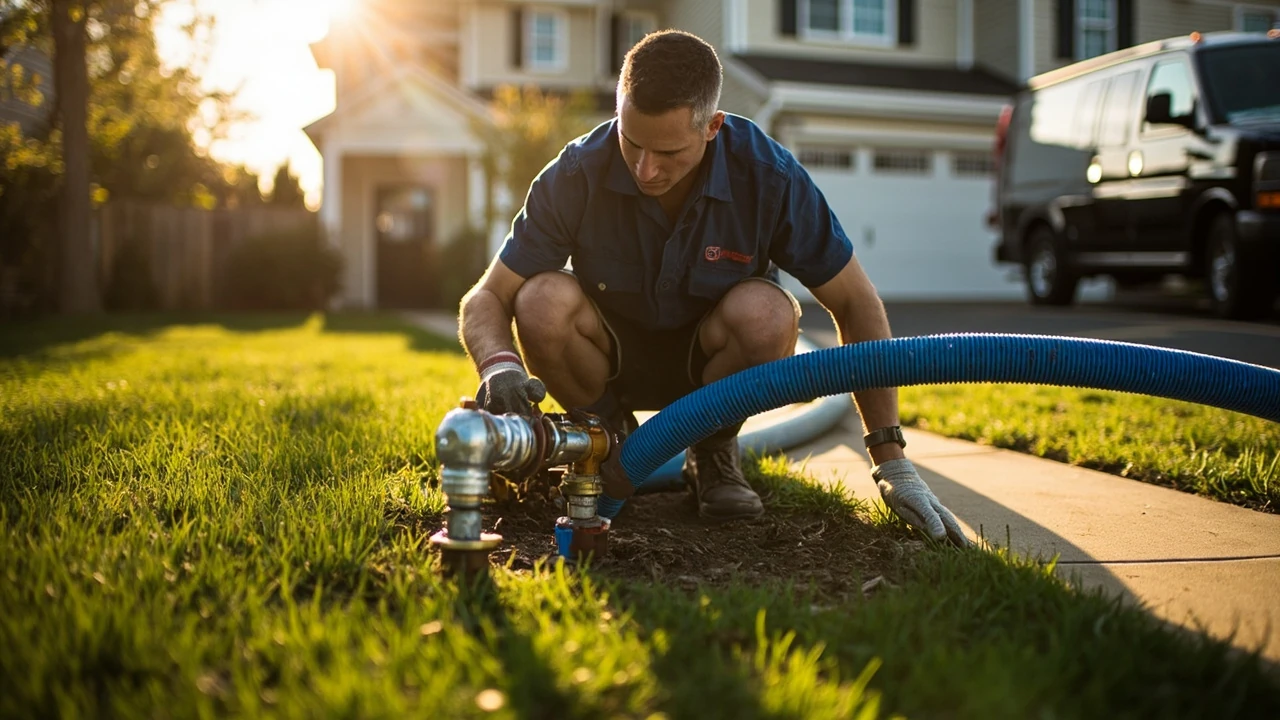
Sewer drain jet cleaning service: what homeowners should know
A sewer drain jet cleaning service uses high-pressure water to scour the inside of a building drain or sewer lateral, breaking up grease, sludge, scale, and even small root intrusions so the line flows again. Unlike a simple plunger or a handheld snake, the equipment is built for main lines, not fixture traps, and the work is usually done from an exterior cleanout or a pulled toilet. For a homeowner dealing with repeated backups or a single stubborn blockage that a small auger cannot reach, jetting is the next step before considering excavation or pipe replacement.
This article walks through how jetting actually works on a residential sewer, when it is the right call, what a service visit typically includes, and how to compare it against other clearing methods. It also covers realistic limitations, what to ask a contractor before booking, and how to reduce the chance of another backup once the line is clean.
What hydro jetting does to a sewer line
Hydro jetting, sometimes called water jetting or sewer jetting, pushes a flexible high-pressure hose through the drain while a specialized nozzle sprays water backward and forward at pressures well beyond what a household pressure washer produces. The forward jets break up the obstruction and the rear jets drive the hose deeper while flushing debris toward the main. According to the background described in the Wikipedia entry on drain cleaning equipment and methods, sewer jetters shoot high-powered streams of water through the drain and into the sewer to blast away debris blocking flow, and are more effective than snakes, blades, or drain rods for many obstructions because of the intensity of the water and the ability of the jet to bend around curves.
In practical terms, the nozzle does three things at once: it cuts soft blockages, scours the pipe wall, and pushes the loosened material downstream. The pipe is not just poked open; the interior surface is washed. That matters because a line that is technically open can still have a rough layer of grease or scale that catches new debris and starts the next clog.
How a typical residential jetting visit is set up
Most homeowners never see the inside of a jetter, so it helps to know what the crew is doing before, during, and after the work.
- Locate the cleanout. The technician finds the exterior cleanout, a short capped pipe that gives direct access to the building drain. If there is no cleanout, the toilet may be pulled and the line accessed through the closet flange.
- Diagnose the line first. A camera is often run before jetting to confirm the pipe is a good candidate. Heavily collapsed pipe, a belldied section, or Orangeburg pipe can be damaged by high pressure.
- Choose a nozzle and pressure. The technician selects a nozzle based on the suspected blockage. A penetrator nozzle punches through a clog, a grease nozzle fans water at the pipe wall, and a chain flail scours hard scale.
- Run the hose. The jetter hose is fed into the line in sections, then slowly retrieved while water continues to flow, flushing debris toward the city main or septic tank.
- Re-inspect with a camera. A second camera pass confirms the line is clear and checks the pipe condition for cracks, offsets, or roots that may need a separate repair.
A single line on a residential property usually takes one to three hours of on-site time depending on the length of the run, the severity of the blockage, and how easy the cleanout is to reach.
When a sewer drain jet cleaning service is the right call
Jetting is not the right tool for every drain problem. Use the table below to match a symptom to a sensible first response.
| Symptom | Likely cause | Best first step | Is jetting appropriate? |
|---|---|---|---|
| One bathroom sink drains slowly, others fine | Hair or soap in the trap or branch line | Remove the trap, hand snake, or use a small auger | No, the line is too short and the pipe is too small for a jetter |
| Multiple fixtures gurgle when a washer drains | Partial blockage in the building drain | Camera inspection, then jet the building drain | Yes, this is a typical use case |
| Floor drain or tub backs up with sewage | Main line restriction or root intrusion | Camera and jet the lateral from the cleanout | Yes, especially with a root-cutting nozzle |
| Toilet alone overflows repeatedly | Local clog in the toilet trap or closet bend | Plunger, closet auger | No, jetting a toilet can damage the fixture |
| Water sits in a basement drain after heavy rain | Possible backflow or city main issue | Call the municipality first to rule out a main backup | Only after the cause is confirmed and a check valve is considered |
As a general rule, if more than one plumbing fixture is affected, the problem is downstream of those fixtures, which is exactly the area where a sewer jetter is most useful.
Hydro jetting versus other clearing methods
Homeowners often get quotes for three different approaches: snaking, rodding, and jetting. The table below compares them on the criteria that actually matter day to day.
| Method | Best for | Pressure or force | Pipe wall effect | Typical residential price band |
|---|---|---|---|---|
| Handheld or electric snake (drain auger) | Single fixture clogs, hair, small objects | Mechanical twisting force | Pokes a hole through the clog, leaves most of the wall coated | Lowest of the three, often a flat service call |
| Drain rodding | Long straight runs, tree roots in older clay pipe | Manual pushing with steel rods and a cutting head | Cuts through roots but can scrape the pipe wall | Mid-range, usually billed by the hour |
| Hydro jetting | Grease, sludge, soft roots, recurring backups | High-pressure water, often 1,500 to 4,000 psi on residential lines | Washes the wall rather than just cutting a path | Higher upfront, often cheaper over time because the line stays clear longer |
Snaking is cheaper up front but usually restores flow rather than cleanliness. Jetting costs more on a single visit but tends to delay the next backup, which matters for older homes with cast iron or clay laterals.
What a technician checks before turning on the water
High-pressure water in a damaged pipe can turn a slow problem into a wet one quickly. A careful crew will not just connect and run. They should be able to walk you through each of the checks below, and the answers should show up in the work order.
- Pipe material and age. PVC, ABS, cast iron, clay, and Orangeburg all behave differently under pressure. Older clay is more likely to have offset joints that a jetter can worsen if the wrong nozzle is used.
- Cleanout condition. A rusted or buried cleanout cap may need to be dug out or replaced before the hose can be inserted.
- Backflow risk. If the line has been surcharging into the home, the technician should confirm that downstream capacity is available before pushing more water through.
- Septic vs. city sewer. A septic tank can be overwhelmed by the volume of water and solids that jetting dislodges, so the tank level and last pump date matter.
- Fixture traps and appliance connections. Dishwasher and washing machine standpipes can siphon or overflow if the line is fully blocked downstream.
For a deeper look at how sewer lines are diagnosed and what cleaning options exist for homeowners, the site’s guide on sewer line cleaning for homeowners is a useful companion read.
What jetting will not fix
It is worth being honest about the limits of a sewer drain jet cleaning service. A For additional context, good contractor will point these out before charging you, because promising the impossible is a common source of disputes.
- Bellied or settled pipe. A section that has sagged holds water and solids no matter how clean the walls are. Jetting will not level the pipe; a spot repair or replacement is the fix.
- Severely collapsed pipe. A jetter hose will not push through a fully collapsed section, and forcing it can kink the hose inside the line.
- Joint offsets that catch debris. An offset joint acts like a small dam. Jetting cleans around it, but the offset will keep snagging paper and waste.
- Invasive tree roots that return every season. Roots can be cut with a root nozzle, but they grow back. A long-term plan may include a chemical root treatment or a sleeve.
- Structural corrosion of cast iron. Heavy scaling inside a cast iron pipe can be reduced, but the pipe is still thinning. A camera inspection will show whether the wall is sound.
A reputable service will tell you on the spot if the problem is structural and offer a camera recording you can keep for a future repair estimate.
How often a residential sewer line should be jetted
There is no universal schedule. The right interval depends on what is in the line and how the home is used.
- Single-family home with PVC piping and no trees near the lateral: jet only when a problem appears, often years apart.
- Older home with mature trees within 20 feet of the lateral: preventive jetting every 18 to 36 months can keep roots from forming a mat.
- Home with a history of grease buildup, especially after holiday cooking: an annual or every-other-year cleaning extends the time between emergencies.
- Multi-unit building with shared kitchen lines: restaurants, in-law units, or accessory dwellings put more food waste into a residential-sized pipe, so shorter intervals are common.
Ask for a video recording after each jetting visit. Comparing recordings over time shows whether the line is holding up or heading toward a replacement.
Questions to ask before booking a jetting service
Quotes for jetting can vary widely, and not every company that advertises the service owns the right equipment. Use the questions below to compare contractors on substance rather than just price.
- What pressure and flow rate does your jetter produce? Residential lines are usually cleaned in the 1,500 to 4,000 psi range at 4 to 18 gallons per minute. Truck-mounted jetters are typically more capable than portable electric units.
- Do you camera the line before and after? The before video documents the problem, and the after video shows the result. Both are useful records.
- What nozzles do you carry, and which one will you start with? A grease nozzle, root cutter, and penetrator each solve different problems. The answer tells you whether the crew thinks on the job.
- Are you licensed and insured for sewer work in this jurisdiction? Sewer cleaning sometimes falls under different licensing than general plumbing. Ask to see the documentation.
- What happens if jetting does not clear the line? A clear policy, such as a reduced diagnostic fee, is a good sign. A vague answer is not.
- Will the work affect my cleanout or any interior fixtures? Pulling a toilet or breaking a rusted cap should be discussed up front so there are no surprises on the invoice.
- Do you provide a written report and video file? For insurance, real estate, or future repair planning, a labeled video is worth more than a verbal summary.
Cost factors and what drives the invoice
Jetting is priced differently across regions, and national averages age quickly, so the numbers below are explained rather than quoted. The structure is what matters when you read a bid.
- Line length and depth. A short, shallow run from a front-yard cleanout is cheaper than a long, deep run to a city tap.
- Severity of the blockage. A soft grease clog clears faster than a root mass that needs a cutting head and multiple passes.
- Access. A buried cleanout that needs to be located, dug out, or rebuilt adds labor.
- Camera work. Bundling a camera inspection with the jetting often costs less than booking them separately.
- Time of day and emergency status. After-hours, weekend, and holiday calls usually carry a premium.
- Repairs discovered during the job. If the camera finds a broken section, the contractor may pause and give a separate quote rather than press on.
For context on how costs and discounts work across routine home services, the site’s piece on finding legitimate savings on routine services describes a similar mindset: compare the actual scope of work, not just the headline price.
Reducing the chance of another backup after jetting
A clean line is a fresh start, not a permanent fix. Small changes inside the home are often the difference between another backup in six months and a quiet few years.
- Keep grease out of the drain. Wipe cooking grease into a container and throw it in the trash rather than rinsing it down the sink with hot water.
- Use hair catchers in showers and tubs. Hair combines with soap to form tough mats that build up in the building drain.
- Run hot water after laundry. A long hot flush after each laundry cycle helps move lint and detergent residue toward the main.
- Spread out heavy water use. Multiple washing machines or long showers at the same time can overwhelm a partially restricted line.
- Be careful with flushable wipes. Despite the label, most do not break down the way toilet paper does and are a common cause of repeat clogs.
- Watch the yard. Slow drains plus soggy patches or unusually green grass above the lateral can signal a break that needs more than cleaning.
Safety and property considerations during the visit
A jetter is a powerful tool, and a good crew treats it that way. The list below covers what a careful service visit looks like in practice.
- Water discharge. The jetter releases a lot of water at the downstream end. The crew should confirm where that water is going, especially if you are on a septic system.
- Spray containment. High-pressure water can blow back from the cleanout opening. Operators wear eye protection, and bystanders should stay back a few feet.
- Electrical safety. Truck-mounted equipment is usually powered by a gasoline or diesel engine, not a household outlet. The crew should position the truck so exhaust does not collect near doors or windows.
- Floor and fixture protection. If the work is done through an interior cleanout or a pulled toilet, drop cloths and a wet vac are standard.
- Site cleanup. Expect a brief mess at the access point and minor water on the ground. A tidy crew will leave the area cleaner than they found it.
How jetting fits into a longer sewer care plan
Treating jetting as a one-off event usually means another call within a year. Treating it as one step in a longer plan usually buys several quiet years. A simple plan looks like this:
- Establish a baseline. A camera recording after the first jetting gives you a reference point for every future visit.
- Set a reminder interval. Pick a review date based on the pipe material, tree proximity, and household habits. Eighteen months is a reasonable starting point for older lines.
- Track the symptoms. A short log of slow drains, gurgling, and odors helps you and the technician see whether the line is degrading or stable.
- Decide the trigger for a repair. Agree in advance on what finding would shift the plan from cleaning to replacement. A specific offset or a section of missing pipe is easier to act on than vague worsening.
For homeowners thinking about a broader maintenance plan across the property, including major systems that interact with the sewer line, the site’s overview of hiring the right home remodeling team touches on how contractors evaluate older homes and which upgrades tend to pay off.
Frequently asked questions
How long does a sewer drain jet cleaning service take?
For a typical single-family home with an accessible cleanout, expect one to three hours on site. Severe root intrusion, a buried cleanout, or a long run to the city main can push the visit into a half day.
Is hydro jetting safe for older pipes?
It can be, but only after a camera inspection confirms the pipe is intact. Clay, Orangeburg, and badly corroded cast iron can be damaged by high pressure. The technician should choose a lower pressure setting and a gentler nozzle on older lines, or recommend a different method if the pipe is too fragile.
Will jetting remove tree roots?
A root-cutting nozzle can clear small to medium root intrusions and open the line. It does not stop regrowth. Properties with persistent root problems often pair jetting with a root-control treatment and a plan to monitor the line on a regular interval.
Can jetting damage a septic system?
Jetting pushes water and solids into the septic tank, so the tank needs room to receive them. A quick check of the tank level and the last pump date is part of a careful service visit. If the tank is near full, the crew may recommend pumping before jetting.
Do I need to be home for the service?
Often no, as long as the crew has clear access to the cleanout and any gates they need to open. Many companies will text or email a camera recording and a written summary when the work is done.
How do I know if my sewer line needs cleaning or replacement?
A camera recording is the most reliable way to tell. Cleaning is enough when the pipe wall is sound and the obstruction is from grease, sludge, or soft roots. Replacement becomes the better answer when the camera shows a collapse, a large offset, a belly that holds water, or pipe that is thin and pitted throughout.
What should I do immediately after a sewer backup?
Avoid using any plumbing fixtures until the line is cleared, keep people and pets away from contaminated areas, and document the damage with photos for insurance. A professional cleanup with proper disinfection is recommended for any area that contacted sewage.
How often should a residential sewer line be jetted?
There is no single answer. Homes with PVC piping and no nearby trees may go years between cleanings. Older homes with mature trees, grease-prone kitchens, or shared lines often benefit from jetting every 18 to 36 months. A camera recording and a short household log help you set the right interval for your situation.
What is the difference between a sewer jetter and a pressure washer?
A pressure washer is designed for surfaces and delivers high volume at moderate pressure. A sewer jetter is designed for pipes and delivers lower volume at very high pressure through a specialized nozzle that pulls the hose through the line while spraying backward. Using a regular pressure washer with a sewer hose is not a substitute and can be unsafe.
Will a sewer drain jet cleaning service prevent every future backup?
No method prevents every backup, especially if the pipe itself is failing. Jetting dramatically reduces the most common causes, which are grease, sludge, and soft roots, and it gives you a clean baseline to monitor the line. Combined with simple household habits, it is the most reliable non-invasive option most homeowners have.
Leave a Reply